
Blog
The Beginner’s Guide to Zepbound Injection 2.5mg/0.5ml
May
The Beginner’s Guide to Zepbound Injection 2.5mg/0.5ml
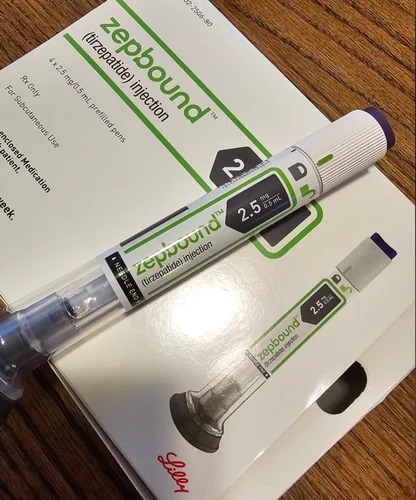
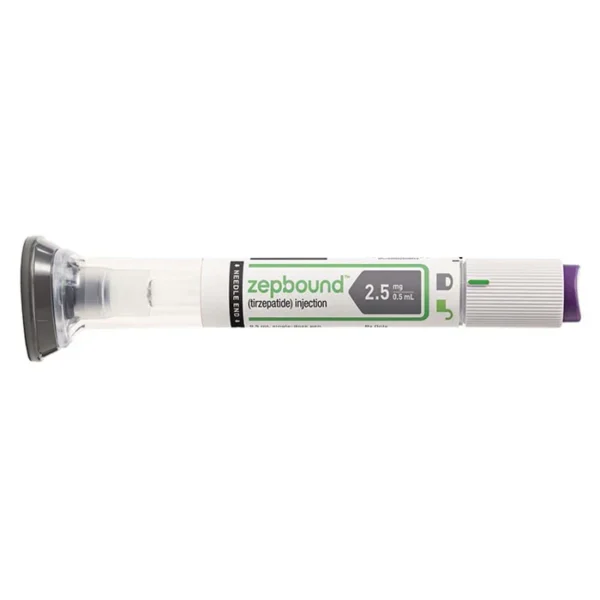
The Beginner’s Guide to Zepbound Injection 2.5mg/0.5ml. Zepbound is a prescription medication used for chronic weight management in adults with obesity or overweight individuals who have certain weight-related health conditions. It contains tirzepatide, a medication that targets two important hormone pathways involved in appetite regulation, blood sugar control, and digestion. The 2.5mg/0.5mL dose is typically the starting dose for people beginning treatment.
For beginners, understanding how Zepbound works, what to expect during the first month, and how to use it safely can make the treatment journey easier and more manageable.
What Is Zepbound?
Zepbound contains tirzepatide, a medication classified as both a GIP receptor agonist and a GLP-1 receptor agonist. These hormones help regulate appetite, food intake, insulin release, and digestion. By activating both pathways, Zepbound can help people feel fuller for longer periods and reduce overall calorie consumption.
The medication is FDA-approved for:
- Chronic weight management in eligible adults
- Long-term weight reduction support
- Treatment of moderate-to-severe obstructive sleep apnea (OSA) in adults with obesity when prescribed by a healthcare provider
Understanding the 2.5mg/0.5mL Starting Dose
The 2.5mg/0.5mL dose is generally considered an introductory dose designed to help the body adjust to the medication. It is usually taken once weekly for the first four weeks before healthcare providers consider increasing the dose.
Many beginners wonder whether they will lose weight immediately on 2.5mg. Responses vary significantly:
- Some people experience noticeable appetite reduction and early weight loss.
- Others may see minimal changes until higher doses are reached.
- The primary goal of the starter dose is often improving tolerance and reducing side effects during treatment initiation.
How Zepbound Works
Zepbound helps support weight management through several mechanisms.
Appetite Reduction
Many users report feeling less hungry and experiencing fewer food cravings. The medication can help reduce what many patients describe as constant thoughts about food.
Slower Digestion
Tirzepatide slows stomach emptying, allowing food to remain in the stomach longer. This contributes to longer-lasting feelings of fullness after meals.
Blood Sugar Regulation
The medication influences hormones involved in insulin release and glucose control. Improved blood sugar regulation may also contribute to appetite control and metabolic health.
How to Use Zepbound 2.5mg/0.5mL
Zepbound is administered as a subcutaneous injection, meaning it is injected under the skin rather than into muscle or a vein. It is typically used once every week.
Common injection sites include:
- Abdomen
- Thigh
- Upper arm (when administered by another person)
Healthcare professionals usually demonstrate proper injection technique before patients begin self-administration. Rotating injection sites may help reduce skin irritation.
Typical Dose Progression
Many patients follow a gradual dose-escalation schedule:
| Treatment Stage | Weekly Dose |
|---|---|
| Weeks 1–4 | 2.5mg |
| Weeks 5–8 | 5mg |
| Later adjustments | 7.5mg, 10mg, 12.5mg, or 15mg as directed |
Dose increases generally occur after at least four weeks at the current dose. Healthcare providers determine the most appropriate schedule based on response and side effects.
What Beginners May Notice During the First Month
Experiences differ widely from person to person.
Some users report:
- Reduced appetite
- Feeling full more quickly
- Less interest in snacking
- Early weight reduction
- Improved portion control
Others report:
- Minimal weight loss
- Few noticeable changes
- Gradual effects that become stronger at higher doses
Both experiences can be normal during the introductory phase.
Common Side Effects
Like many GLP-1 and GIP medications, Zepbound can cause gastrointestinal side effects.
Common side effects include:
- Nausea
- Diarrhea
- Constipation
- Vomiting
- Stomach discomfort
- Fatigue
- Reduced appetite
Many side effects improve as the body adjusts to treatment.
Tips for Managing Side Effects
Beginners often find it helpful to:
- Eat smaller meals
- Stay hydrated
- Avoid large high-fat meals
- Eat slowly
- Prioritize protein intake
- Follow healthcare provider instructions carefully
These strategies may help reduce digestive discomfort during treatment.
Lifestyle Habits That Support Success
Zepbound is intended to be used alongside healthy lifestyle changes rather than as a standalone solution.
Helpful habits may include:
- Balanced nutrition
- Regular physical activity
- Adequate sleep
- Stress management
- Consistent hydration
- Monitoring progress over time
Many successful users combine medication with long-term behavioral changes that support sustainable weight management.
Important Safety Considerations
Before starting Zepbound, patients should discuss their medical history with a healthcare professional.
Medical supervision is particularly important for individuals with:
- Pancreatic disorders
- Severe gastrointestinal conditions
- Certain endocrine conditions
- Kidney-related concerns
- Multiple medications that may interact with treatment
Only a qualified healthcare provider can determine whether tirzepatide is appropriate for an individual patient.
Questions Beginners Often Ask
Will I lose weight on 2.5mg?
Some people do, while others do not experience significant weight loss until higher doses are reached. The starter dose primarily helps the body adapt to treatment.
How often do I take it?
Zepbound is generally injected once weekly on the same day each week.
What if I miss a dose?
Patients should follow their prescribing information and contact their healthcare provider or pharmacist if unsure how to handle a missed dose.
How long before results appear?
Results vary. Some users notice appetite changes within days, while others experience gradual effects over several weeks or months.
Final Thoughts
Zepbound 2.5mg/0.5mL is typically the starting dose used to introduce tirzepatide therapy and help the body adjust before moving to higher maintenance doses. By reducing appetite, slowing digestion, and supporting metabolic regulation, Zepbound may help eligible adults achieve meaningful weight-management goals when combined with healthy lifestyle habits.
Because individual responses can vary, patients should work closely with their healthcare provider to monitor progress, manage side effects, and determine the most appropriate treatment plan.
