
Blog
XTC Pills 300mg: Benefits Risks and Precautions
May
XTC Pills 300mg: Benefits Risks and Precautions
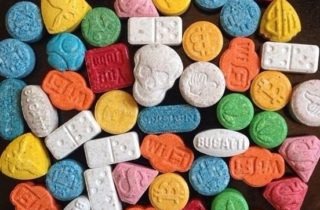
XTC pills, often referred to as ecstasy or Molly, commonly contain MDMA, a synthetic psychoactive substance that affects mood, energy, and perception. While some people seek MDMA for its stimulant and empathogenic effects, it also carries significant health risks, especially at higher doses such as tablets marketed as “300mg.”
Understanding the potential effects, risks, and safety concerns associated with MDMA is important for making informed decisions and reducing harm.
What Is MDMA?
XTC Pills 300mg: Benefits Risks and Precautions. MDMA is a laboratory-made drug that produces stimulant-like effects and can also alter sensory perception. It is commonly sold under names such as Ecstasy, Molly, X, or XTC. MDMA affects neurotransmitters in the brain, particularly serotonin, dopamine, and norepinephrine.
People who use MDMA often report:
- Increased energy
- Enhanced sociability
- Feelings of emotional openness
- Heightened sensory perception
- Increased feelings of empathy and connection with others
Understanding 300mg XTC Pills
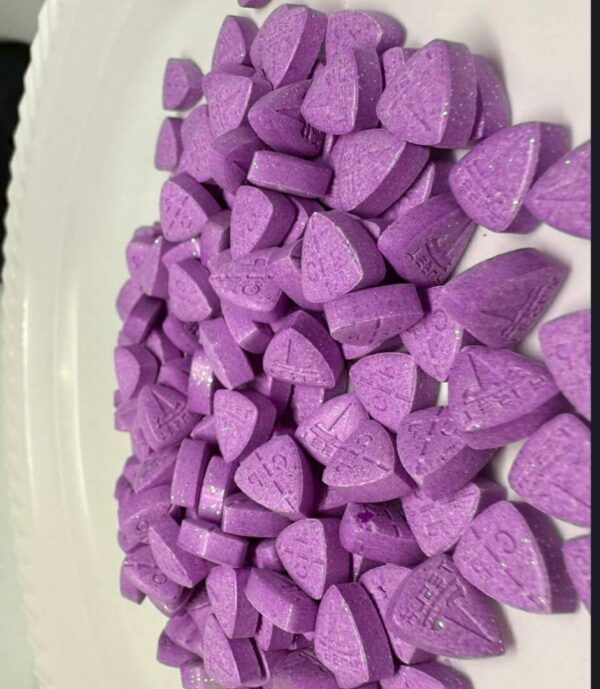
A pill advertised as containing 300mg of MDMA is considered very high potency. Actual content can vary significantly because illicitly manufactured tablets are often unregulated and may contain different amounts than advertised or include entirely different substances.
One major concern is that pills sold as MDMA may contain:
- Methamphetamine
- Synthetic cathinones (“bath salts”)
- Caffeine
- Fentanyl or other opioids
- Unknown adulterants
This unpredictability increases the risk of serious adverse reactions.
Potential Effects and Perceived Benefits
Users often seek MDMA because of its short-term psychoactive effects.
Commonly reported effects include:
- Elevated mood
- Increased confidence
- Emotional warmth
- Greater social engagement
- Enhanced appreciation of music and sensory experiences
- Increased alertness and energy
Researchers are also studying MDMA in carefully controlled clinical settings for certain mental health conditions, including severe post-traumatic stress disorder (PTSD). However, this research is distinct from recreational or non-medical use.
Short-Term Risks
Even a single use of MDMA can cause adverse effects.
Common short-term side effects include:
- Jaw clenching
- Muscle tension
- Sweating
- Nausea
- Increased heart rate
- Elevated blood pressure
- Restlessness
- Difficulty sleeping
High doses may significantly increase the likelihood of dangerous complications.
Serious Health Risks
MDMA can affect multiple organ systems and may lead to severe medical emergencies.
Potential serious complications include:
- Hyperthermia (dangerously high body temperature)
- Seizures
- Heart rhythm disturbances
- Stroke
- Liver injury
- Kidney failure
- Serotonin syndrome
- Loss of consciousness
- Overdose
The risk may increase in hot environments, crowded venues, or situations involving prolonged physical activity.
Risks of High-Dose Pills
A pill marketed as 300mg may expose users to substantially greater risk than lower-dose formulations.
High-dose exposure can increase the chances of:
- Overheating
- Severe dehydration
- Cardiovascular stress
- Confusion and agitation
- Dangerous increases in blood pressure
- Toxic reactions
Because illicit tablets are not quality-controlled, users often cannot verify the true dose or ingredients.
Mental Health Effects
MDMA affects serotonin systems that help regulate mood, sleep, and emotional processing.
Potential mental health effects may include:
- Anxiety
- Depression
- Irritability
- Panic reactions
- Sleep disturbances
- Memory and concentration problems
Some individuals experience a noticeable mood decline after use, sometimes called a “comedown.”
Dangers of Mixing Substances
One of the most serious risks involves combining MDMA with other drugs or alcohol.
Mixing substances can increase the likelihood of:
- Overdose
- Cardiovascular complications
- Impaired judgment
- Respiratory problems
- Severe dehydration
- Unpredictable drug interactions
The CDC notes that polysubstance use can produce stronger and less predictable effects than a single substance alone.
Harm Reduction Considerations
The safest option is not to use illicit substances. However, public-health and harm-reduction organizations emphasize several precautions that may help reduce risks for people who choose to use MDMA.
Common recommendations include:
- Avoiding repeated dosing within a short period
- Avoiding drug mixing
- Staying aware of overheating risks
- Taking breaks from intense physical activity
- Using drug-testing services where legally available
- Seeking immediate medical help if severe symptoms occur
Community harm-reduction discussions frequently identify high doses, overheating, untested pills, and substance mixing as major contributors to MDMA-related emergencies.
Warning Signs of a Medical Emergency
Immediate medical attention is needed if someone develops symptoms such as:
- Very high body temperature
- Seizures
- Chest pain
- Severe confusion
- Difficulty breathing
- Loss of consciousness
- Persistent vomiting
- Extreme agitation
Rapid treatment can be critical in preventing life-threatening complications.
Long-Term Concerns
Repeated or heavy MDMA use has been associated with:
- Memory difficulties
- Attention problems
- Mood disorders
- Sleep disruption
- Cognitive impairment
- Potential cardiovascular complications
Researchers continue studying the long-term neurological effects of frequent MDMA exposure.
Final Thoughts
XTC pills marketed as 300mg typically represent a high-potency form of MDMA and may produce feelings of increased energy, emotional openness, and enhanced sensory experiences. However, these effects come with significant risks, including overheating, cardiovascular complications, overdose, and potentially severe mental and physical health consequences.
Because illicit pills may contain unknown ingredients or inaccurate dosages, there is no reliable way to guarantee safety. Individuals experiencing concerning symptoms after taking MDMA or any suspected substance should seek emergency medical care immediately.
