Blog
How Phentermine Tablets Support Effective Weight Loss Goals
Jun
How Phentermine Tablets Support Effective Weight Loss Goals
How Phentermine Tablets Support Effective Weight Loss Goals. Achieving and maintaining a healthy weight can be challenging, especially for individuals who have struggled with diet and exercise alone. While lifestyle changes remain the foundation of successful weight management, certain prescription medications can provide additional support when used under medical supervision. One such medication is Phentermine, a widely prescribed appetite suppressant designed to help individuals reach their weight loss goals more effectively.
In this article, we explore how phentermine tablets work, their benefits, and how they can support a comprehensive weight loss plan.

What Are Phentermine Tablets?
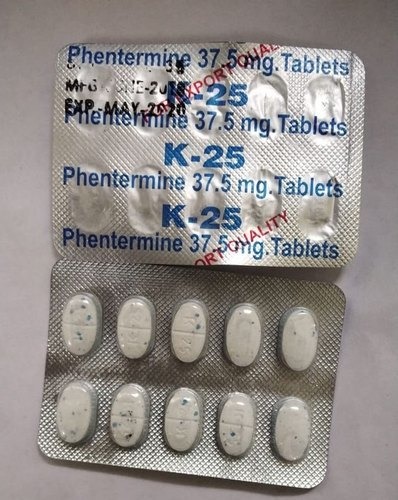
Phentermine tablets are prescription medications commonly used for short-term weight management in adults who are overweight or obese. They belong to a class of drugs known as sympathomimetic amines, which help reduce appetite and decrease food cravings.
Healthcare providers often recommend phentermine as part of a structured weight loss program that includes dietary changes, increased physical activity, and behavioral modifications. When used correctly, phentermine can help individuals develop healthier eating habits and achieve meaningful weight loss results.
How Phentermine Works
One of the biggest challenges during weight loss is controlling hunger. Many people find it difficult to maintain a calorie deficit because they constantly feel hungry or experience intense cravings.
Phentermine works by affecting certain neurotransmitters in the brain that influence appetite. By stimulating the central nervous system, it helps reduce feelings of hunger and promotes a greater sense of fullness. This can make it easier to consume fewer calories throughout the day without feeling deprived.
As a result, individuals may find it more manageable to stick to their nutrition plans and make healthier food choices.
Key Benefits of Phentermine Tablets
1. Appetite Suppression
The primary benefit of phentermine tablets is their ability to suppress appetite. Reduced hunger levels can significantly improve adherence to a calorie-controlled diet, which is essential for weight loss success.
Many users report feeling satisfied with smaller portions and experiencing fewer urges to snack between meals.
2. Increased Motivation
Seeing progress on the scale can be highly motivating. As individuals begin to lose weight, they often become more committed to maintaining healthy habits.
Phentermine may help initiate this positive cycle by supporting early weight loss, encouraging users to stay focused on their long-term goals.
3. Enhanced Energy Levels
Some individuals experience increased energy while taking phentermine. This boost can make it easier to engage in regular physical activity, which plays a crucial role in burning calories and improving overall health.
Higher energy levels may also help users remain active throughout the day rather than leading a sedentary lifestyle.
4. Improved Portion Control
Overeating is a common obstacle to successful weight management. By reducing appetite and increasing feelings of fullness, phentermine can help individuals better control portion sizes and avoid unnecessary calorie consumption.
This improved awareness of hunger and satiety cues can contribute to healthier eating patterns over time.
5. Support for Comprehensive Weight Loss Programs
Phentermine is not intended to be a standalone solution. Instead, it serves as a valuable tool within a broader weight management strategy.
When combined with proper nutrition, exercise, and professional guidance, phentermine can enhance the effectiveness of a structured weight loss program.
Who May Benefit from Phentermine?
Phentermine is generally prescribed for adults who have a body mass index (BMI) indicating obesity or who are overweight with weight-related health concerns.
Healthcare providers evaluate several factors before recommending phentermine, including:
- Current weight and BMI
- Medical history
- Existing health conditions
- Previous weight loss attempts
- Overall treatment goals
Because phentermine is a prescription medication, it should only be used under the supervision of a qualified healthcare professional.
The Importance of Healthy Lifestyle Habits
Although phentermine can support weight loss efforts, sustainable results require long-term lifestyle changes. Individuals who achieve the greatest success typically combine medication with healthy daily habits.
Focus on Balanced Nutrition
A nutritious eating plan should emphasize:
- Lean protein sources
- Fresh fruits and vegetables
- Whole grains
- Healthy fats
- Adequate hydration
Limiting processed foods, sugary beverages, and excessive calorie intake can help maximize weight loss outcomes.
Engage in Regular Exercise
Physical activity offers numerous benefits beyond calorie burning. Regular exercise can:
- Improve cardiovascular health
- Increase muscle strength
- Enhance mood
- Boost metabolism
- Support long-term weight maintenance
Many experts recommend combining aerobic activities with strength training for optimal results.
Prioritize Sleep and Stress Management
Poor sleep and chronic stress can interfere with weight loss efforts by affecting hunger hormones and increasing cravings.
Practicing good sleep hygiene and incorporating stress-reduction techniques such as meditation, yoga, or deep breathing exercises can complement a weight management plan.
Setting Realistic Weight Loss Goals
Successful weight loss is rarely about achieving dramatic results overnight. Instead, it involves making consistent progress over time.
Realistic goals may include:
- Losing weight gradually
- Improving eating habits
- Increasing physical activity
- Enhancing overall health markers
- Building sustainable routines
Phentermine can help support these objectives by reducing barriers such as excessive hunger and food cravings.
Potential Side Effects
Like all medications, phentermine may cause side effects in some individuals. Commonly reported effects can include:
- Dry mouth
- Insomnia
- Increased heart rate
- Nervousness
- Dizziness
- Constipation
Because responses vary from person to person, it is important to discuss any concerns with a healthcare provider before starting treatment.
Patients should follow all prescribed dosing instructions and attend regular medical checkups to monitor progress and safety.
Tips for Maximizing Results While Taking Phentermine
To get the most benefit from phentermine tablets, consider the following strategies:
Stay Hydrated
Drinking plenty of water can help manage hunger, support metabolism, and improve overall well-being.
Track Your Progress
Keeping a journal of meals, exercise, and weight changes can help identify successful habits and areas for improvement.
Plan Meals Ahead
Meal planning reduces the likelihood of impulsive food choices and helps maintain consistency with nutrition goals.
Maintain Consistency
Weight loss success often depends on daily habits rather than occasional efforts. Consistency with healthy eating and exercise can significantly improve outcomes.
Follow Medical Guidance
Always use phentermine according to your healthcare provider’s instructions and never exceed the recommended dosage.
Long-Term Weight Management
While phentermine is typically prescribed for short-term use, the healthy habits developed during treatment can support long-term success. The ultimate goal is not only to lose weight but also to maintain those results through sustainable lifestyle changes.
Individuals who continue practicing balanced nutrition, regular exercise, and mindful eating after completing treatment are often better positioned to maintain a healthy weight over time.
Conclusion
Phentermine tablets can be a valuable tool for individuals seeking additional support in their weight loss journey. By helping reduce appetite, improve portion control, and support adherence to a calorie-controlled diet, phentermine may make it easier to achieve meaningful weight loss goals.
However, the most successful outcomes occur when phentermine is combined with healthy eating habits, regular physical activity, and professional medical supervision. With a comprehensive approach and realistic expectations, individuals can work toward lasting weight management and improved overall health.
