
Blog
Healthcare Insights on Oxycodone K56 Tablets and Pain Relief

May
Healthcare Insights on Oxycodone K56 Tablets and Pain Relief
Healthcare Insights on Oxycodone K56 Tablets and Pain Relief. Oxycodone is a prescription opioid medication commonly used to manage moderate to severe pain when other treatment options are not sufficient. Some tablets are identified by imprint codes such as “K56,” which healthcare professionals and pharmacists use to verify medication type, strength, and manufacturer.
Because oxycodone is a powerful opioid, it plays an important role in pain management for certain patients, but it also carries significant risks, including dependence, misuse, overdose, and serious side effects. Understanding how it works and how it should be used is essential for safe treatment.
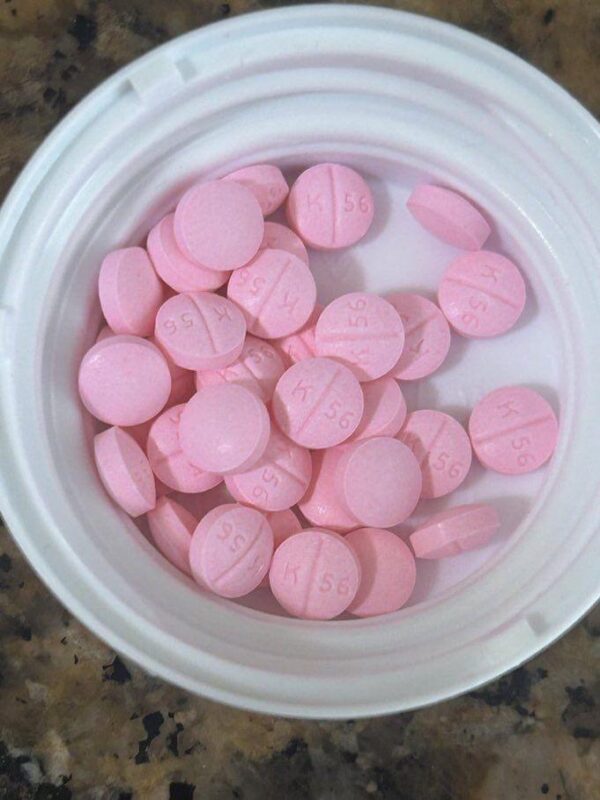
What Are Oxycodone K56 Tablets?
Tablets marked with specific imprint codes are used to identify medications accurately. Patients should always confirm medication identity through a licensed pharmacist or healthcare provider rather than relying solely on tablet appearance.
Oxycodone medications are prescribed for conditions such as:
- Post-surgical pain
- Injury-related pain
- Cancer-related pain
- Severe chronic pain under medical supervision
- Pain that has not responded adequately to non-opioid treatments
The exact strength, formulation, and prescribing instructions should always be verified through official labeling and healthcare professionals.
How Oxycodone Works
Oxycodone belongs to a class of drugs known as opioid analgesics. It works by binding to opioid receptors in the brain and nervous system, altering how pain signals are perceived and processed.
This action can help reduce pain intensity and improve comfort in patients experiencing significant pain. However, the same mechanism can also affect breathing, alertness, and other body functions, which is why careful medical supervision is important.
Potential Benefits for Pain Relief
When prescribed appropriately, oxycodone may help:
- Reduce severe pain levels
- Improve mobility and daily functioning
- Support recovery after surgery or injury
- Enhance quality of life for patients with certain painful medical conditions
Healthcare providers typically weigh potential benefits against risks before prescribing opioid medications.
Common Side Effects
Like many opioid medications, oxycodone may cause side effects.
Common side effects can include:
- Drowsiness
- Dizziness
- Nausea
- Constipation
- Dry mouth
- Headache
- Fatigue
Patients should report persistent or severe side effects to their healthcare provider.
Serious Risks and Safety Concerns
Opioids carry important safety risks that require careful monitoring.
Potential serious complications include:
- Respiratory depression (slowed breathing)
- Physical dependence
- Opioid use disorder
- Overdose
- Dangerous interactions with other medications
The risk may increase when oxycodone is combined with alcohol, benzodiazepines, sedatives, or other substances that depress the central nervous system.
Importance of Following Prescription Instructions
Patients should take oxycodone exactly as prescribed.
Important safety practices include:
- Never taking larger doses than prescribed
- Avoiding unauthorized dose increases
- Not sharing medication with others
- Keeping medication securely stored
- Following all healthcare provider instructions
Stopping long-term opioid therapy suddenly may lead to withdrawal symptoms. Dose changes should generally be supervised by a healthcare professional.
Alternative Pain Management Approaches
Pain treatment often involves more than medication alone. Depending on the condition, healthcare providers may recommend additional strategies such as:
- Physical therapy
- Exercise programs
- Non-opioid medications
- Behavioral therapy
- Rehabilitation services
- Lifestyle modifications
Many patients benefit from a comprehensive pain-management plan tailored to their specific needs.
Questions Patients Should Ask Their Healthcare Provider
Before starting oxycodone treatment, patients may wish to discuss:
- Expected benefits
- Potential side effects
- Duration of treatment
- Risk of dependence
- Alternative therapies
- Safe storage and disposal procedures
Open communication can help improve treatment outcomes and medication safety.
Safe Storage and Disposal
Opioid medications should be stored securely to prevent accidental ingestion, misuse, or theft.
Recommended practices include:
- Keeping medication out of reach of children
- Using locked storage when possible
- Following local medication disposal programs
- Avoiding disposal methods not recommended by local authorities
Proper storage helps reduce the risk of accidental harm.
Final Thoughts
Oxycodone tablets, including those identified by imprint codes such as K56, may provide important pain relief for patients with moderate to severe pain when prescribed and monitored appropriately. While these medications can be effective, they also carry significant risks that require careful medical oversight.
Patients should always use opioid medications only as directed by a licensed healthcare professional, discuss any concerns with their provider, and seek immediate medical attention if serious side effects or signs of overdose occur.
