
-
×
 Buy BBL gummies Online
1 × $55.00
Buy BBL gummies Online
1 × $55.00
Subtotal: $55.00
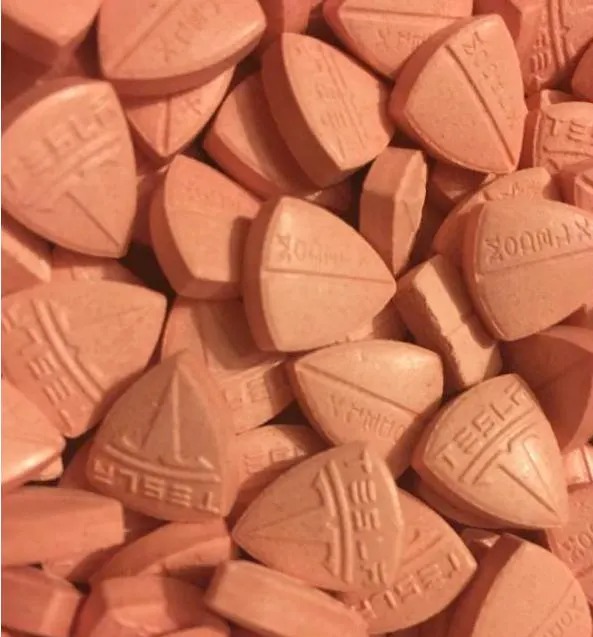
The Truth About Ecstasy: Myths vs Facts. Ecstasy has been widely discussed in pop culture, nightlife communities, movies, and online forums for decades. Often associated with parties and music festivals, the substance has developed a reputation filled with myths, misconceptions, and conflicting information. Some people view it as harmless fun, while others believe every use leads to immediate disaster. The truth is far more complex.
Understanding the facts about ecstasy is important for anyone who wants to make informed decisions, stay safe, and recognize the real risks connected to drug use. This article explores the most common myths surrounding ecstasy and compares them with evidence-based facts.
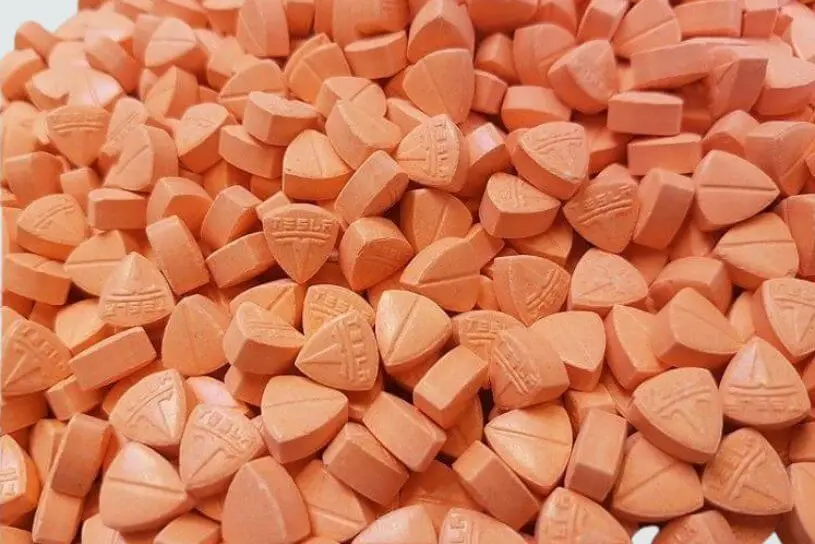
Ecstasy is a street name commonly used for MDMA (3,4-methylenedioxymethamphetamine), a synthetic psychoactive substance that affects mood, perception, and energy levels. It is typically sold in pill, powder, or capsule form and is often used recreationally in social environments such as clubs, concerts, and festivals.
MDMA acts on brain chemicals including serotonin, dopamine, and norepinephrine. Users may experience feelings of euphoria, emotional closeness, increased energy, and heightened sensory awareness. However, the effects vary depending on the purity of the substance, dosage, individual health, and environmental factors.
One of the biggest concerns surrounding ecstasy is that products sold illegally are often mixed with unknown ingredients. Pills marketed as ecstasy may contain stimulants, synthetic drugs, or dangerous additives that significantly increase health risks.
One of the most widespread misconceptions is that ecstasy is a “safe party drug.” This belief often comes from stories of people using it socially without obvious immediate consequences.
Ecstasy carries significant health risks.
MDMA affects body temperature, heart rate, hydration levels, and brain chemistry. In some cases, it can lead to dehydration, overheating, confusion, anxiety, panic attacks, or serious medical emergencies. High doses or repeated use may increase the risk of long-term physical and mental health issues.
Another important concern is unpredictability. Since illegally sold ecstasy is unregulated, users often do not know what they are actually taking. Some counterfeit pills contain highly dangerous substances that may cause severe reactions or overdose.
While not every use results in tragedy, describing ecstasy as completely safe is inaccurate and potentially harmful.
Many people assume ecstasy cannot lead to dependence because it does not always create the same physical withdrawal symptoms associated with other substances.
Ecstasy can lead to psychological dependence.
Some users begin relying on the drug for social confidence, emotional connection, or enjoyment during events and parties. Over time, repeated use may contribute to cravings, compulsive behavior, or emotional dependence.
Frequent use can also reduce the brain’s natural serotonin balance, leading to mood swings, fatigue, irritability, depression, or sleep problems. These effects may encourage some individuals to continue using the substance despite negative consequences.
Although addiction patterns vary from person to person, it is incorrect to assume ecstasy is entirely non-addictive.
A common misunderstanding is that every ecstasy pill contains pure MDMA and produces predictable effects.
Street drugs are highly unpredictable.
Illegally manufactured pills may contain little or no MDMA at all. Some products are mixed with caffeine, methamphetamine, synthetic cathinones (“bath salts”), fentanyl, or other unknown chemicals.
Because there is no quality control in illegal drug production, appearance alone does not guarantee safety or purity. Two pills with the same logo or color may contain completely different ingredients.
This unpredictability is one reason why drug-related emergencies continue to occur worldwide.
Many users are told that staying hydrated eliminates most ecstasy-related risks.
Hydration is important, but balance matters.
MDMA can increase body temperature and sweating, especially in crowded or physically active environments. Drinking water may help reduce dehydration risk, but excessive water intake can also be dangerous.
Overhydration may lead to a condition called hyponatremia, where sodium levels in the body become dangerously low. This can result in nausea, confusion, seizures, or even life-threatening complications.
The safest approach is moderation, regular breaks, and seeking medical attention if symptoms become severe.
Ecstasy is often portrayed as a “love drug” that guarantees positive emotions and social connection.
Effects can vary dramatically.
While some individuals report temporary feelings of euphoria or emotional openness, others may experience anxiety, fear, paranoia, confusion, or emotional distress. Factors such as mental health history, dosage, sleep deprivation, environment, and interactions with other substances can influence the experience.
Negative emotional reactions are more likely when drugs are mixed, taken in high doses, or used repeatedly over short periods.
No psychoactive substance affects everyone in the same way.
Media coverage sometimes portrays ecstasy as causing immediate and irreversible brain destruction after a single experience.
The science is more nuanced.
Research suggests that repeated or heavy MDMA use may affect memory, mood, and cognitive function over time. However, the severity of these effects varies widely among individuals.
Occasional use does not automatically result in catastrophic brain damage, but repeated exposure may increase health risks. Other factors, including dosage, frequency, mixing substances, sleep deprivation, and overheating, can also contribute to negative outcomes.
Accurate education is more effective than fear-based exaggeration.
Mental health is an important part of the conversation surrounding MDMA. Some users report temporary emotional benefits, while others experience worsening anxiety, depression, or panic symptoms after use.
The “comedown” period following ecstasy use may involve exhaustion, irritability, sadness, low motivation, or difficulty concentrating. Repeated use without adequate recovery time may intensify these issues.
Individuals with existing mental health conditions may face higher risks, particularly when combining substances or using high doses.
Misinformation about drugs can be dangerous in both directions. Over-glamorizing ecstasy may encourage risky behavior, while exaggerated scare tactics may cause people to ignore legitimate warnings.
Honest, evidence-based education helps individuals recognize:
Open conversations grounded in facts can help reduce stigma and encourage safer choices.
Certain symptoms should never be ignored after taking any unknown or psychoactive substance. Warning signs may include:
Medical emergencies should always be treated seriously. Rapid medical attention can save lives.
The conversation around ecstasy is often clouded by myths, social media trends, and conflicting opinions. The reality is that MDMA is neither a harmless miracle drug nor a substance that affects every person in the exact same way.
Understanding the facts is essential for making informed decisions and reducing preventable harm. Ecstasy use carries real physical, emotional, and psychological risks, especially because illegally sold products are often unregulated and unpredictable.
Education, awareness, and honest discussion remain some of the most effective tools for promoting public health and safety. By separating myths from facts, people can better understand the realities surrounding ecstasy and the importance of approaching the topic responsibly.
