Blog
MDMA Safety Awareness: Facts Everyone Should Know
May
MDMA Safety Awareness: Facts Everyone Should Know
MDMA, commonly known as ecstasy or molly, is a synthetic psychoactive substance that affects mood, energy, and perception. Over the years, MDMA has gained attention in nightlife culture, music festivals, and online discussions. However, despite its popularity in some social settings, many people remain unaware of the serious health risks associated with its use.
Raising awareness about MDMA safety is essential because misinformation can lead to dangerous decisions. Many individuals assume that recreational substances are harmless if used occasionally, but the reality is far more complex. MDMA can impact both physical and mental health, and its effects vary widely depending on the person, the dose, and the environment.
This article explores important facts about MDMA, the potential dangers involved, warning signs of misuse, and practical ways to reduce harm and stay informed.
What Is MDMA?
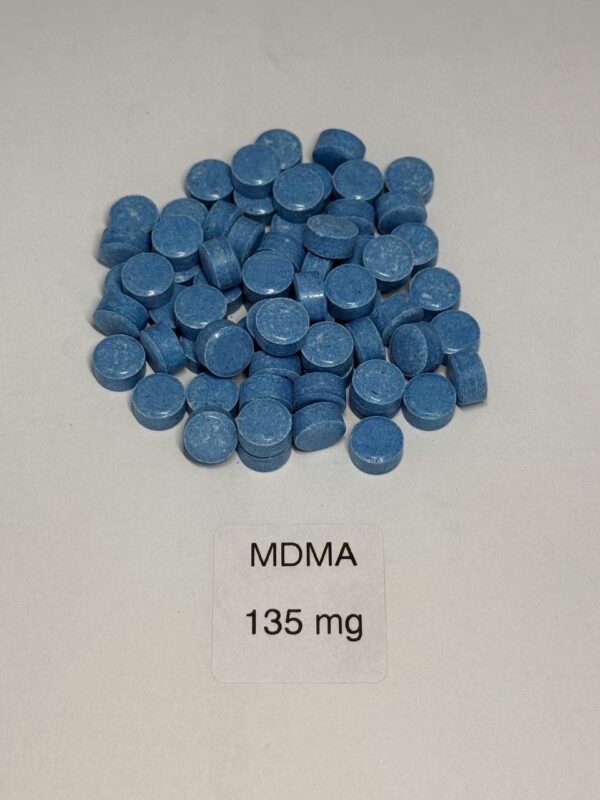
MDMA Safety Awareness: Facts Everyone Should Know. MDMA stands for 3,4-methylenedioxymethamphetamine. It is classified as both a stimulant and a hallucinogenic substance because it can increase energy levels while also altering perception and emotions.
The drug works primarily by increasing the activity of neurotransmitters in the brain, especially serotonin, dopamine, and norepinephrine. These chemicals play a role in mood regulation, emotional responses, and sensory experiences.
People who use MDMA may report feelings such as:
- Increased energy
- Emotional warmth
- Heightened sensory perception
- Feelings of closeness or empathy
- Euphoria or excitement
While these effects may sound appealing to some individuals, they are often accompanied by serious risks that should never be ignored.
Common Myths About MDMA
Myth 1: “MDMA Is Safe Because Many People Use It”
Popularity does not equal safety. Even small amounts of MDMA can cause adverse reactions in certain individuals. Factors such as dehydration, overheating, unknown ingredients, or underlying medical conditions can increase the risk of harm.
Myth 2: “Molly Is Pure and Therefore Harmless”
One of the biggest concerns is that substances sold as molly or ecstasy are often mixed with other dangerous chemicals. Some counterfeit products may contain stimulants, synthetic cathinones, fentanyl, or other substances that significantly increase health risks.
Myth 3: “You Can’t Become Dependent on MDMA”
Although MDMA may not cause dependence in the same way as some other drugs, repeated use can lead to psychological cravings, emotional difficulties, and unhealthy patterns of behavior.
Myth 4: “MDMA Only Affects You While Using It”
The effects of MDMA can continue long after the immediate experience ends. Some people report fatigue, anxiety, low mood, sleep problems, or difficulty concentrating in the days following use.
Potential Health Risks of MDMA
Understanding the risks associated with MDMA is a critical part of safety awareness.
Overheating and Dehydration
One of the most serious dangers is hyperthermia, or dangerously high body temperature. This can happen in crowded or hot environments such as clubs or festivals, especially when combined with prolonged physical activity.
Severe overheating may lead to:
- Organ failure
- Muscle breakdown
- Heat stroke
- Loss of consciousness
- Death in extreme cases
Heart and Blood Pressure Problems
MDMA stimulates the cardiovascular system, which can increase heart rate and blood pressure. Individuals with heart conditions or high blood pressure may face elevated risks.
Mental Health Effects
Some users experience anxiety, panic attacks, confusion, or paranoia. Repeated use may contribute to depression, mood instability, and memory issues.
Risk of Contaminated Substances
Illicit substances are unregulated, meaning there is no guarantee about what they contain. This unpredictability greatly increases the danger of accidental poisoning or overdose.
Dangerous Drug Interactions
Combining MDMA with alcohol, antidepressants, stimulants, or other substances can create life-threatening reactions. Mixing drugs increases stress on the brain and body.
Warning Signs of MDMA Misuse
Recognizing the signs of problematic drug use can help individuals seek support earlier.
Common warning signs may include:
- Frequent mood swings
- Sleep disturbances
- Anxiety or depression
- Withdrawal from family or social activities
- Risk-taking behavior
- Memory or concentration problems
- Repeated use despite negative consequences
If someone experiences severe symptoms such as chest pain, seizures, difficulty breathing, or loss of consciousness, emergency medical help should be sought immediately.
The Importance of Harm Reduction
While the safest option is to avoid illicit drug use entirely, public health experts also emphasize the importance of harm reduction. Harm reduction focuses on reducing the risks associated with substance use through education, awareness, and access to support.
Key harm reduction principles include:
- Staying informed about the risks
- Avoiding mixing substances
- Seeking medical help when needed
- Looking out for friends in social environments
- Recognizing signs of overheating or distress
- Accessing professional support services
Open conversations about substance safety can help reduce stigma and encourage people to seek help without fear or shame.
MDMA and Mental Health
Mental health is an important topic in conversations about MDMA awareness. Some individuals may turn to substances while coping with stress, loneliness, trauma, or emotional struggles.
However, relying on substances to manage emotions can sometimes worsen underlying mental health conditions over time.
People experiencing emotional distress should consider healthier forms of support such as:
- Speaking with a licensed therapist
- Joining support groups
- Practicing stress management techniques
- Building healthy routines
- Connecting with trusted family members or friends
Seeking help is a sign of strength, not weakness.
Why Education and Awareness Matter
Accurate education plays a major role in protecting communities. Fear-based messaging often fails to provide the practical information people need to make safer decisions.
Instead, awareness campaigns should focus on:
- Evidence-based information
- Open communication
- Mental health support
- Youth education
- Community outreach
- Encouraging medical assistance in emergencies
When people understand the real risks of MDMA, they are more likely to make informed and responsible choices.
Supporting Friends and Loved Ones
If you are concerned about someone who may be struggling with substance use, approaching the situation with empathy can make a significant difference.
Helpful steps may include:
- Listening without judgment
- Encouraging professional help
- Offering emotional support
- Learning about substance use and recovery
- Being patient during the recovery process
Recovery and positive change are possible with the right support system.
Building Safer Communities Through Awareness
Communities, educators, healthcare professionals, and families all play a role in improving public understanding of substance safety.
Educational programs, honest conversations, and access to healthcare resources can help reduce preventable harm. Raising awareness is not about promoting fear — it is about empowering people with accurate information and encouraging healthier decisions.
Social media and online platforms also have a responsibility to share reliable, evidence-based information rather than glamorizing risky behavior.
Final Thoughts
MDMA safety awareness is an important public health topic that deserves thoughtful and informed discussion. While some people may underestimate the risks associated with MDMA, the reality is that the substance can have serious physical, emotional, and psychological consequences.
Understanding the dangers of overheating, contaminated substances, mental health impacts, and drug interactions can help individuals make safer choices and respond appropriately in emergencies.
Education, harm reduction, and compassionate support remain some of the most effective tools for reducing drug-related harm in communities.
By staying informed and encouraging open conversations, we can help create safer environments where people prioritize health, wellbeing, and informed decision-making.
