
Blog
Ozempic Pen 1 Mg Side Effects: What Users Need to Know
May
Ozempic Pen 1 Mg Side Effects: What Users Need to Know
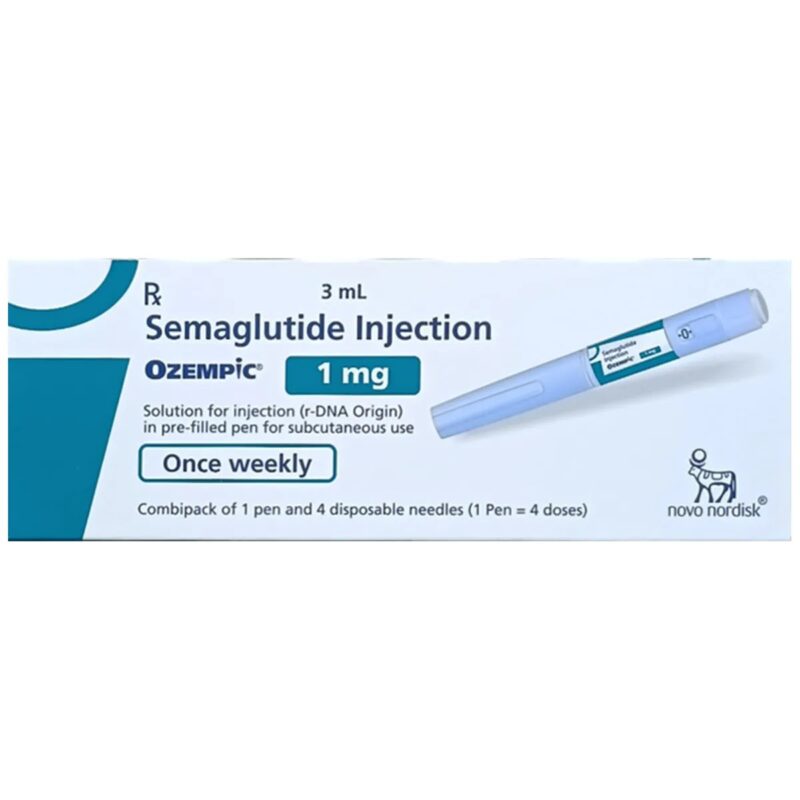
Ozempic Pen 1 Mg Side Effects: What Users Need to Know. The growing popularity of Ozempic Pen 1 Mg has made it one of the most discussed prescription medications in the health and wellness industry. Originally developed to help manage type 2 diabetes, Ozempic has also gained widespread attention for its role in weight management and appetite control. As more people begin using this medication, understanding its potential side effects becomes increasingly important.
For new and existing users alike, learning how the medication works and recognizing possible reactions can help support safer and more informed usage. While many individuals tolerate Ozempic well, some may experience mild to moderate side effects, and in rare cases, more serious complications may occur.
This comprehensive guide explains the most commonly reported Ozempic Pen 1 Mg side effects, how the medication functions, who may be more vulnerable to certain reactions, and what users should know before starting treatment.

What Is Ozempic Pen 1 Mg?
Ozempic is a prescription medication containing semaglutide, a GLP-1 receptor agonist designed to help regulate blood sugar levels in adults with type 2 diabetes.
The medication works by:
- Stimulating insulin release when blood sugar rises
- Slowing stomach emptying
- Reducing appetite
- Helping control glucose levels
- Supporting feelings of fullness
The 1 mg Ozempic pen is one of the commonly prescribed dosage strengths used during treatment progression.
In addition to diabetes management, Ozempic has become highly recognized for its association with weight reduction, leading to increased public interest worldwide.
Why Understanding Side Effects Matters
Every prescription medication carries the possibility of side effects, and Ozempic is no exception. Understanding potential reactions helps users:
- Recognize normal adjustment symptoms
- Know when medical attention may be necessary
- Improve medication adherence
- Discuss concerns with healthcare providers
- Use the medication more safely
Many side effects are temporary and may improve as the body adapts to treatment. However, users should remain informed and monitor changes carefully.
Most Common Ozempic Pen 1 Mg Side Effects
Nausea
Nausea is one of the most frequently reported side effects associated with Ozempic.
Because the medication slows stomach emptying, some users may initially experience stomach discomfort, especially during dosage increases.
Symptoms may include:
- Mild queasiness
- Reduced appetite
- Fullness after small meals
- Occasional stomach uneasiness
For many individuals, nausea gradually improves over time as the body adjusts.
Vomiting
Some users experience vomiting, particularly during the early stages of treatment or after increasing dosage strength.
This side effect may occur more commonly when:
- Eating large meals
- Consuming greasy foods
- Increasing dosage too quickly
- Experiencing sensitivity to GLP-1 medications
Staying hydrated becomes especially important if vomiting occurs repeatedly.
Diarrhea
Digestive changes are commonly reported with Ozempic use. Some individuals may experience diarrhea, especially during the adjustment period.
Symptoms may involve:
- Loose stools
- Increased bowel frequency
- Temporary digestive urgency
Many users find that digestive symptoms lessen over time with dietary adjustments and consistent medication use.
Constipation
While some individuals experience diarrhea, others report constipation.
Possible contributing factors include:
- Slower digestion
- Reduced food intake
- Dehydration
- Dietary changes
Increasing water intake and maintaining balanced fiber consumption may help support digestive comfort.
Stomach Pain
Abdominal discomfort or stomach pain may occur as the digestive system adapts to the medication.
Users may describe symptoms such as:
- Cramping
- Bloating
- Mild abdominal pressure
- General stomach discomfort
Persistent or severe pain should be discussed with a healthcare professional.
Appetite Changes and Weight Loss
One of the reasons Ozempic receives so much attention is its association with appetite reduction and weight loss support.
Many users report:
- Reduced hunger
- Feeling full more quickly
- Decreased cravings
- Smaller meal portions
While weight reduction may be a desired effect for some individuals, rapid or excessive weight loss should still be monitored carefully.
Fatigue and Low Energy
Some users report periods of tiredness or fatigue while adjusting to Ozempic.
Potential contributing factors include:
- Reduced calorie intake
- Digestive side effects
- Blood sugar changes
- Body adaptation to medication
Maintaining balanced nutrition and hydration may help support energy levels during treatment.
Injection Site Reactions
Because Ozempic is administered through injection, mild injection site reactions can occasionally occur.
Possible symptoms include:
- Redness
- Mild swelling
- Tenderness
- Itching
These reactions are typically temporary and mild.
Less Common but Serious Side Effects
Although rare, certain side effects may require immediate medical attention.
Pancreatitis
Inflammation of the pancreas is considered a serious potential risk.
Warning signs may include:
- Severe abdominal pain
- Pain radiating to the back
- Persistent vomiting
- Fever
Individuals experiencing these symptoms should seek medical evaluation promptly.
Gallbladder Problems
Some users may experience gallbladder-related complications.
Symptoms can include:
- Upper abdominal pain
- Nausea
- Fever
- Yellowing of the skin or eyes
Rapid weight loss may sometimes increase gallbladder risks.
Kidney Problems
Severe dehydration from vomiting or diarrhea may contribute to kidney stress in certain individuals.
Staying hydrated is especially important during treatment.
Low Blood Sugar (Hypoglycemia)
Ozempic itself may not commonly cause severe low blood sugar, but the risk can increase when combined with other diabetes medications.
Symptoms of hypoglycemia may include:
- Dizziness
- Sweating
- Shaking
- Confusion
- Rapid heartbeat
Blood sugar monitoring remains important for individuals managing diabetes.
Who May Be More Sensitive to Side Effects?
Some individuals may experience stronger reactions than others.
Factors influencing sensitivity can include:
- Existing digestive conditions
- Dosage increases
- Other medications
- Individual metabolism
- Dietary habits
- Hydration levels
Healthcare providers often start patients at lower doses before gradually increasing to reduce side effect intensity.
Tips for Managing Common Ozempic Side Effects
Many users successfully manage mild symptoms through simple lifestyle adjustments.
Eat Smaller Meals
Large meals may worsen nausea or stomach discomfort.
Avoid Heavy or Greasy Foods
Fatty foods may increase digestive symptoms during treatment.
Stay Hydrated
Hydration becomes especially important if diarrhea or vomiting occurs.
Increase Dosages Gradually
Following prescribed titration schedules may help reduce digestive stress.
Monitor Symptoms Closely
Persistent or worsening side effects should always be discussed with a healthcare provider.
Why Ozempic Continues to Trend
Despite potential side effects, Ozempic remains one of the most widely discussed medications in modern wellness and diabetes management.
Major reasons for its popularity include:
- Blood sugar management support
- Appetite regulation
- Weight-loss interest
- Social media attention
- Celebrity discussions
- Growing awareness of GLP-1 medications
The medication’s visibility has significantly increased public interest in understanding both its benefits and risks.
Important Considerations Before Using Ozempic
Before starting Ozempic, individuals should discuss their medical history with a qualified healthcare provider.
Key considerations include:
- Personal or family thyroid cancer history
- Pancreatitis history
- Kidney conditions
- Gallbladder disease
- Current medications
- Pregnancy or breastfeeding status
Medical supervision remains essential when using prescription medications like Ozempic.
Final Thoughts on Ozempic Pen 1 Mg Side Effects
Understanding the potential side effects of Ozempic Pen 1 Mg helps users make informed decisions and manage treatment more confidently. While many individuals tolerate the medication well, digestive symptoms such as nausea, diarrhea, constipation, and stomach discomfort are among the most commonly reported reactions.
More serious complications, though rare, highlight the importance of proper medical supervision and ongoing monitoring during treatment. By staying informed, following dosage recommendations, and maintaining open communication with healthcare providers, many users successfully incorporate Ozempic into their long-term health management plans.
