
-
×
 Buy BBL gummies Online
1 × $55.00
Buy BBL gummies Online
1 × $55.00
Subtotal: $55.00

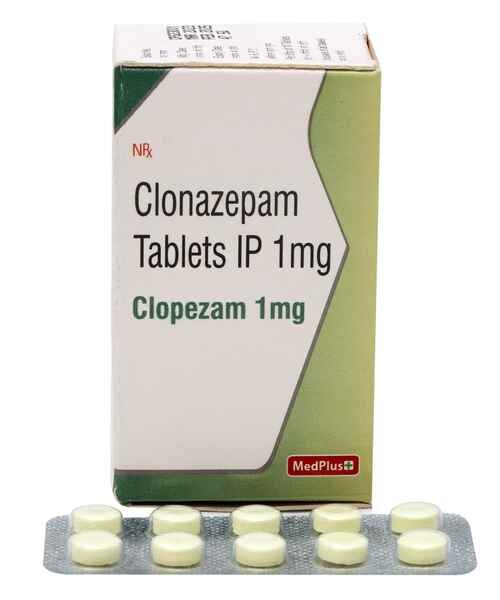
Why Clonazepam 1mg Is Prescribed for Anxiety Disorders. Anxiety disorders are among the most common mental health conditions worldwide, affecting millions of people across different age groups. While occasional anxiety is a natural response to stress, persistent and overwhelming anxiety can interfere with daily life, relationships, and overall well-being. In such cases, medical treatment becomes essential. One of the medications often prescribed by healthcare professionals is Clonazepam 1mg, a well-known option for managing anxiety symptoms effectively.
This article explores why Clonazepam 1mg is prescribed, how it works, its benefits, and important considerations for safe use.
Before diving into the role of Clonazepam, it’s important to understand what anxiety disorders entail. These conditions go beyond normal nervousness or worry. They include disorders such as generalized anxiety disorder (GAD), panic disorder, and social anxiety disorder.
Common symptoms include:
When these symptoms become severe or chronic, they can significantly impact a person’s quality of life, making medical intervention necessary.
Clonazepam belongs to a class of medications called benzodiazepines. These drugs act on the central nervous system to produce a calming effect. Clonazepam 1mg is a commonly prescribed dosage that helps manage moderate to severe anxiety symptoms.
It is also used for other conditions such as panic disorders and certain types of seizures, but its role in anxiety management is particularly notable due to its effectiveness in reducing acute symptoms.
Clonazepam works by enhancing the activity of a neurotransmitter in the brain called gamma-aminobutyric acid (GABA). GABA is responsible for slowing down brain activity and promoting relaxation.
When GABA activity is increased:
This mechanism allows Clonazepam to provide quick relief from intense anxiety symptoms, making it especially useful during anxiety attacks or periods of heightened stress.
There are several reasons why doctors may prescribe Clonazepam 1mg for anxiety disorders:
Unlike some antidepressants that take weeks to show effects, Clonazepam works relatively quickly. This makes it ideal for individuals experiencing acute anxiety or panic attacks.
Clonazepam is particularly effective in treating panic disorders, where individuals experience sudden and intense episodes of fear. It helps reduce both the frequency and severity of panic attacks.
By calming the nervous system, Clonazepam can help stabilize emotional responses, allowing individuals to feel more in control.
Doctors often prescribe Clonazepam for short-term use while other long-term treatments, such as therapy or antidepressants, begin to take effect.
Anxiety often disrupts sleep patterns. Clonazepam’s calming effect can help individuals fall asleep more easily and improve sleep quality.
When used as prescribed, Clonazepam offers several benefits:
These benefits make it a valuable option for individuals struggling with debilitating anxiety symptoms.
While Clonazepam is effective, it is not without risks. Understanding these considerations is crucial for safe and responsible use.
Clonazepam can be habit-forming if used for long periods or in higher doses than prescribed. This is why doctors usually recommend short-term use.
Some common side effects include:
These effects are usually mild but can vary depending on the individual.
Clonazepam is often part of a broader treatment plan that may include therapy, lifestyle changes, and other medications. It is not typically used as the sole long-term treatment.
Stopping Clonazepam suddenly can lead to withdrawal symptoms. Doctors usually recommend tapering the dose gradually under medical supervision.
Clonazepam may not be suitable for everyone. Individuals should inform their doctor if they:
A healthcare provider will evaluate these factors before prescribing the medication.
While medication like Clonazepam can provide relief, combining it with other approaches often yields the best results.
CBT is highly effective for anxiety disorders. It helps individuals identify and change negative thought patterns.
Practices such as meditation, yoga, and deep breathing can complement medication.
Regular exercise, a balanced diet, and adequate sleep play a crucial role in managing anxiety.
Clonazepam 1mg is a powerful and effective medication for managing anxiety disorders, particularly when symptoms are severe or overwhelming. Its fast-acting nature and calming effects make it a valuable tool for short-term relief and stabilization.
However, it is essential to use this medication responsibly and under the guidance of a qualified healthcare professional. When combined with therapy and healthy lifestyle changes, Clonazepam can be part of a comprehensive approach to overcoming anxiety and improving overall well-being.
